

“Your Success Is Our Business”

“Boost Your Profit Margins Instantly”
“Massive Savings With The Industry Lowest Rates”
“Superb Products & Services”

“Business Types”
“Retail & Online E-Commerce”
“Food & Hospitality”
“Professional & Healthcare”
“Service Providers”
“Retail & Online E-Commerce”
“Clothing & Apparel Shops”
“Grocery & Convenience Stores”
“Online E-Commerce websites”
“Electronics & Gadget Dealers”
“Food & Hospitality”
“Seated & Fast-Food Restaurants”
“Coffee Shops & Bakeries”
“Hotels & Motels”
“Bars & Entertainment Venues”
“Professional & Healthcare”
“Doctor & Dentist Offices”
“Veterinary Clinics”
“Law & Accounting Firms”
“Fitness Gyms & Yoga Studios”
“Service Providers”
“Hair Salons & Nail Spas”
“Plumbers & Electricians”
“Auto Repair and Body Shops”
“House & Business Cleaning”
“Two Pricing Options”
“The Zero Pricing”
“The Plus Pricing”
“Zero Pricing”
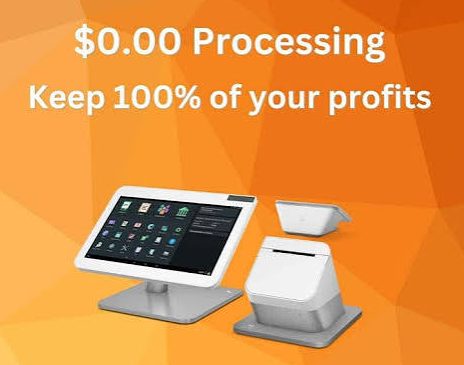
Merchant NEVER pay per-transaction for card processing.
Merchant NEVER pay Interchange Plus Pricing fees.
“Plus Pricing”
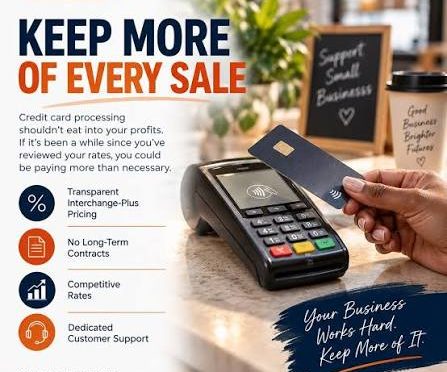
Merchant ALWAYS pay per-transaction for card processing.
Merchant ALWAYS pay Interchange Plus Pricing fees.
“Mobile Payment Acceptance”

Accept payments virtually anywhere – anytime.
“Recurring Billing”

Membership programs & training subscriptions.
“Need To Know”
DURBIN Amendment – Surcharge Program is fully compliant with federal & state laws.
Credit Card Networks – Interchange rates can be changed at any given time.
Junk fees – Charged by traditional credit card processors.
“It’s Time”

Keep more of every sale by shifting credit‑card processing costs.
Protect margins, reduce expenses, & avoid across‑the‑board price increases.
Offset processing costs, maintain competitive pricing, & lower cost payments.
“Prevent”
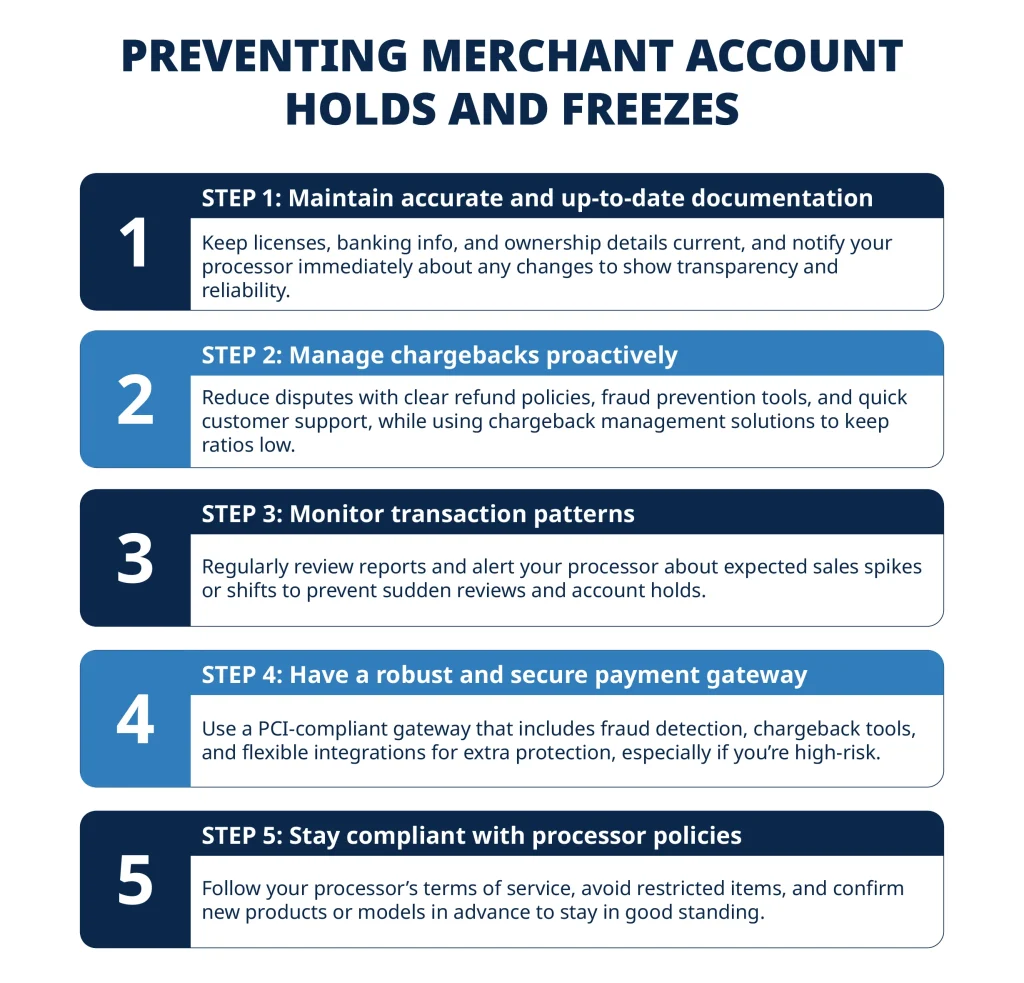
“Unnecessary Risks”
“Interrupted Payments”
“Frozen Funds”
“Account Closures”
“Make It Happen”

RECOVER 100% of credit card fees.
COMPLIANT with state and card‑brand rules.
PROTECT your profit margins.